
Programs
Support Areas
Support shaped around each participant.
Equestrian Connection helps children, adults, and families grow through meaningful experiences with horses. Programs may support therapy goals, adaptive riding, mental health, learning, life skills, confidence, and connection, with each participant’s needs and goals guiding the experience.
Each area below reflects a different path of support, shaped by the needs, interests, and goals of the participants we serve.
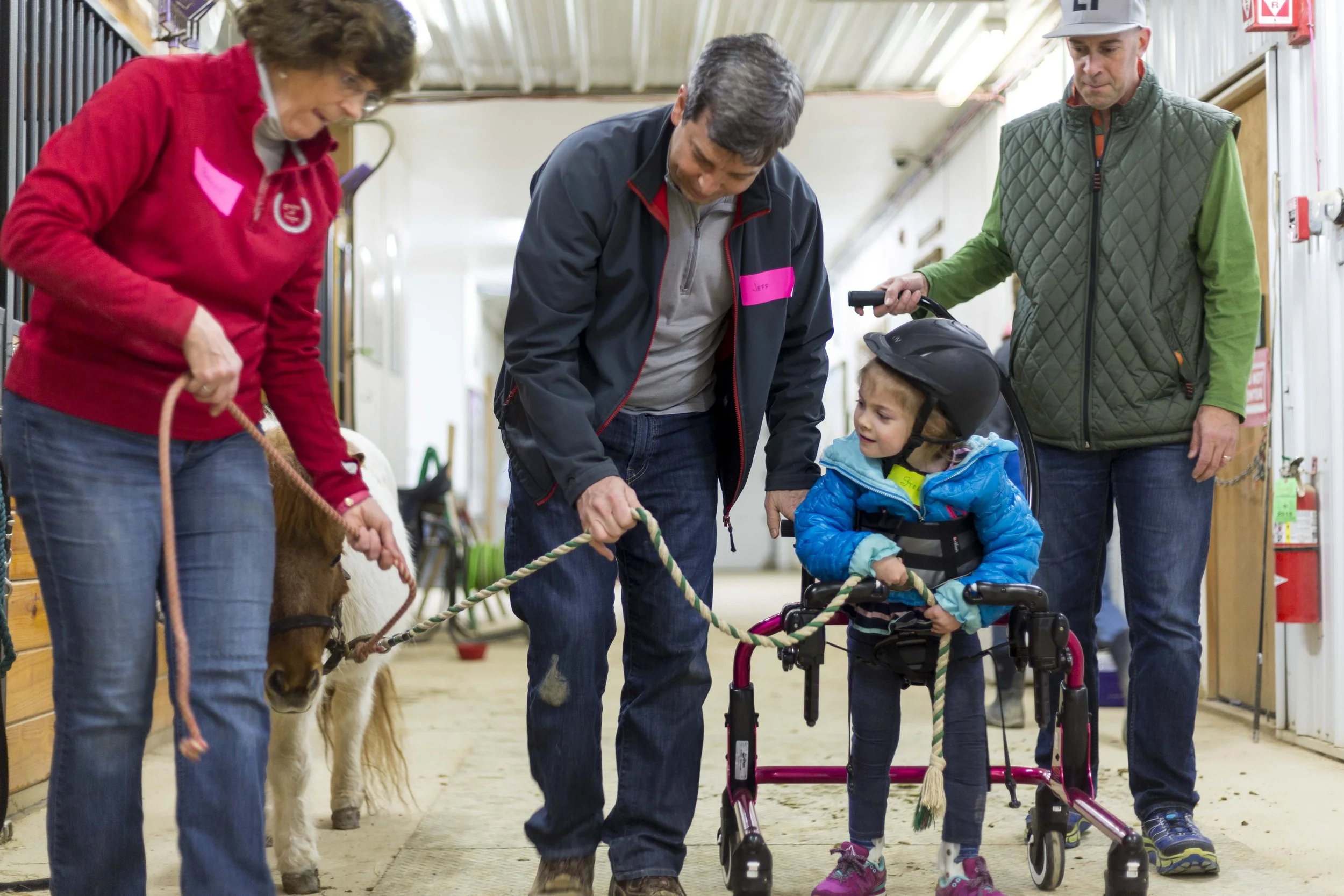
Body & Movement
Physical & Neurological
Builds strength, balance, coordination, posture, sensory processing, mobility, and daily participation.
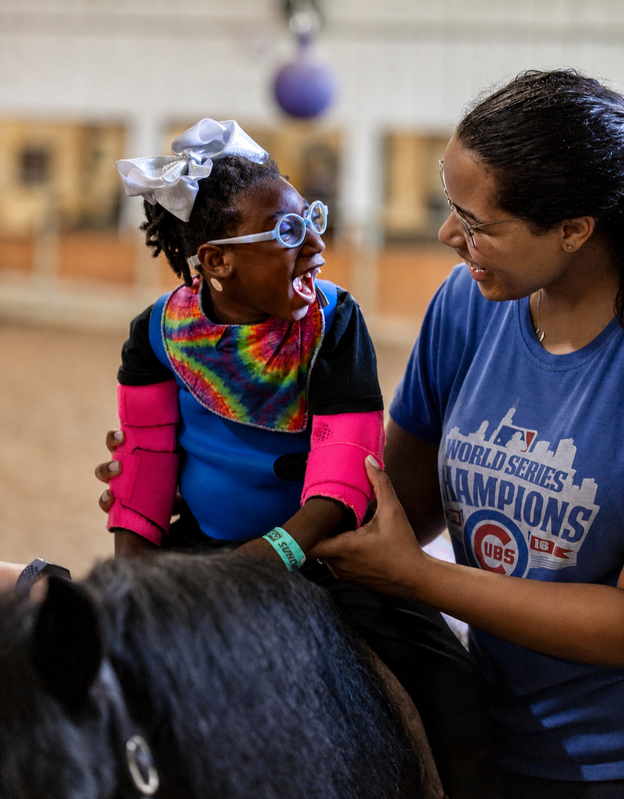
Learning & Participation
Developmental, Cognitive & Learning
Encourages communication, attention, confidence, learning readiness, independence, and social participation.
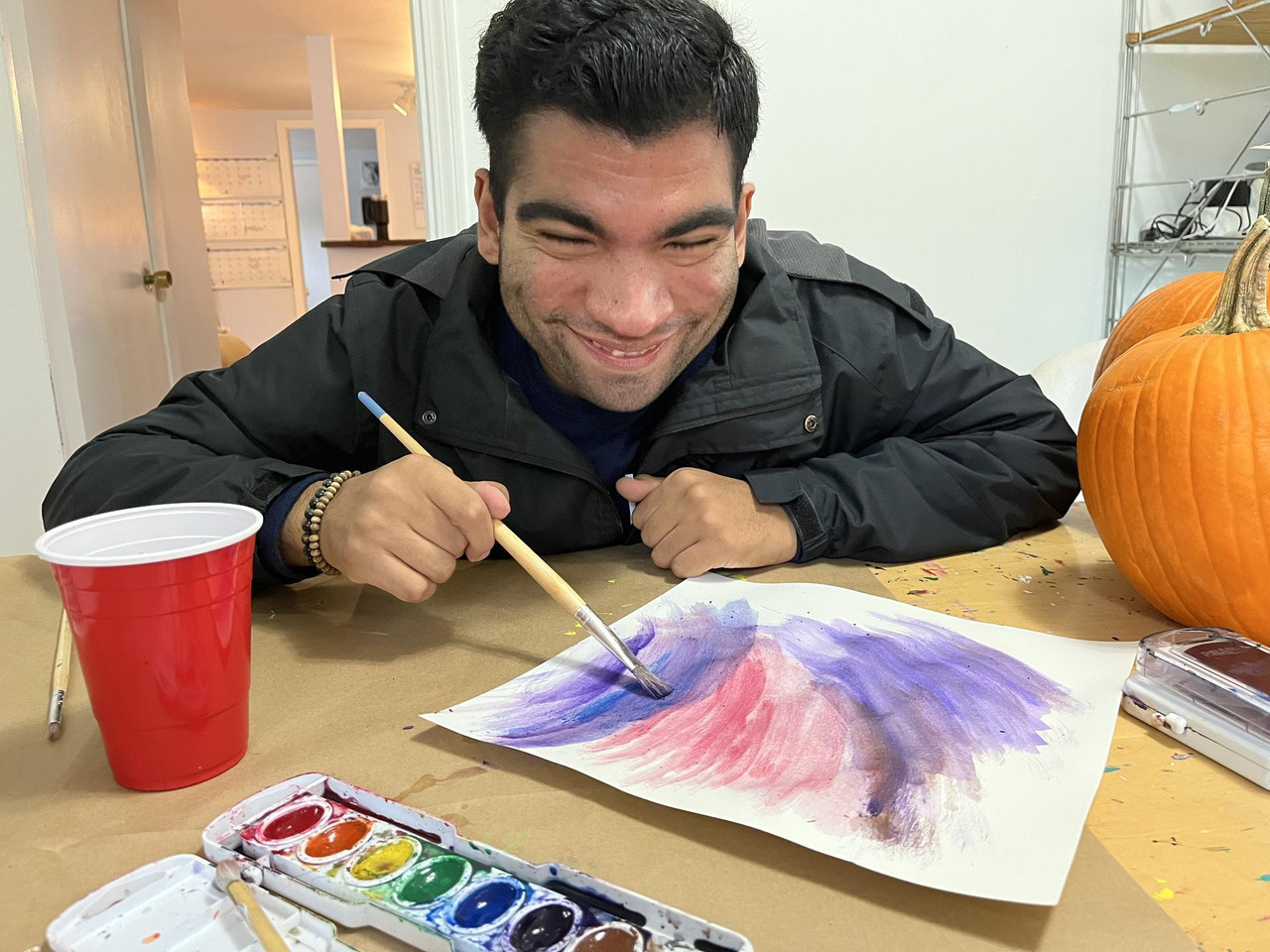
Confidence & Connection
Emotional, Behavioral & Mental Health
Creates space for self-awareness, emotional regulation, trust, reflection, coping skills, relationships, and confidence.
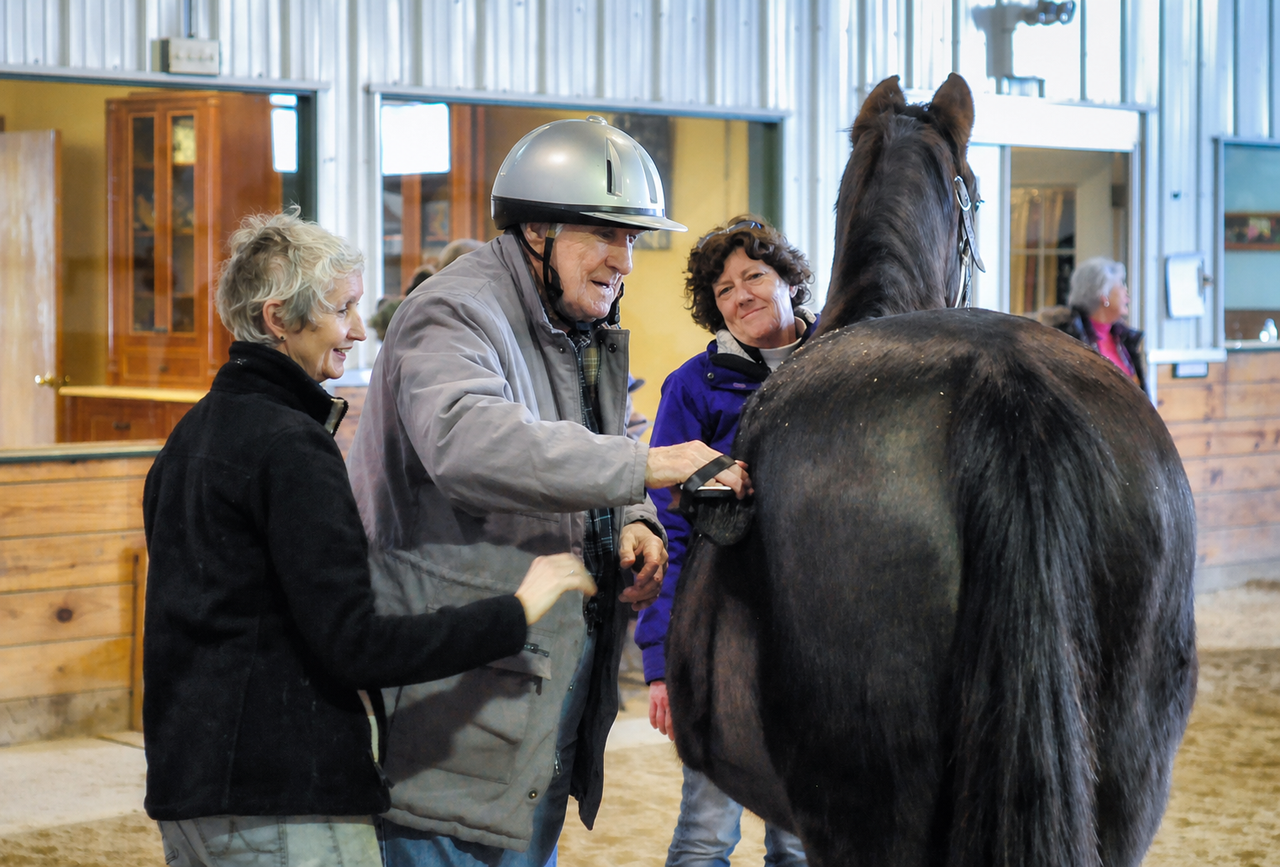
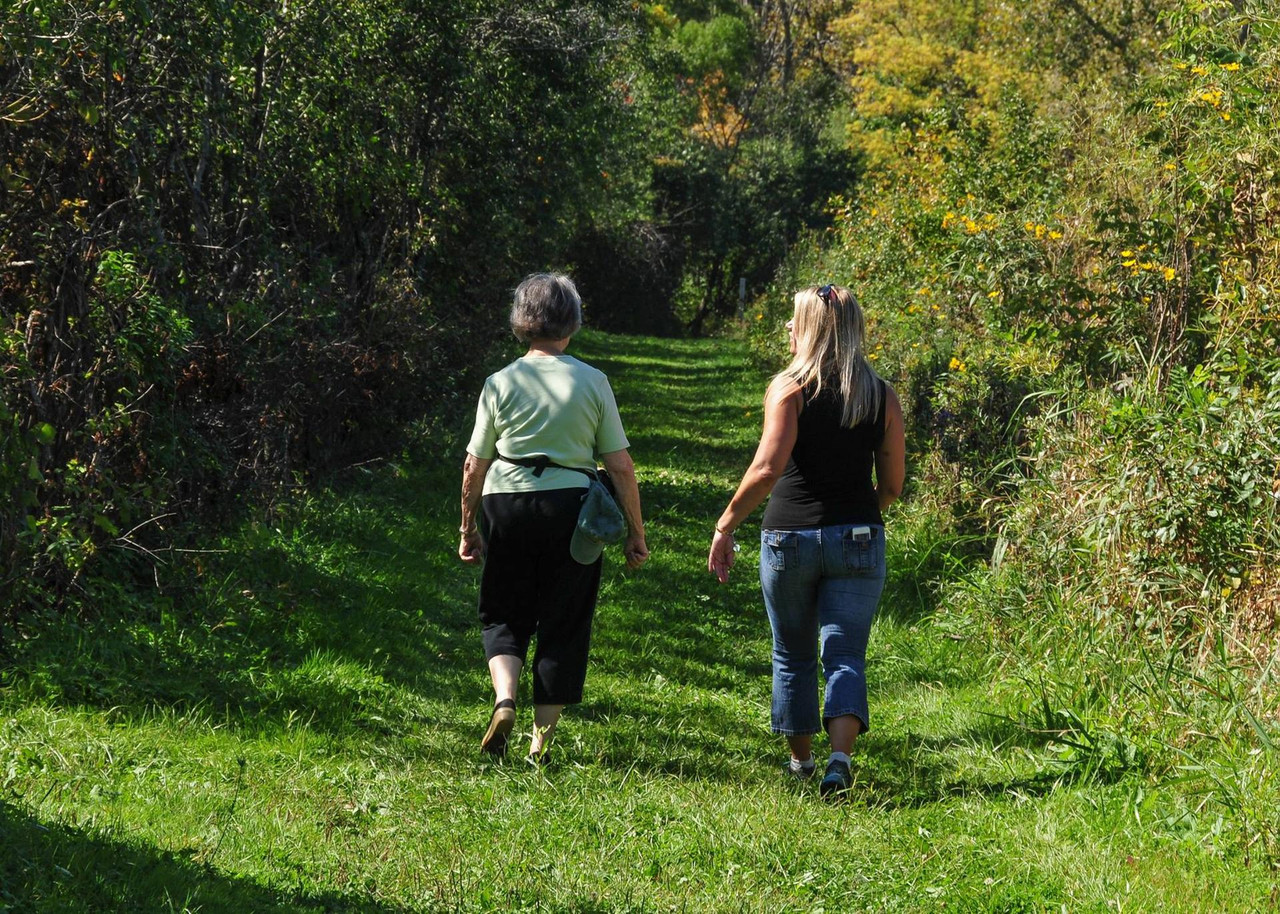
Readiness & Goals
Age & Stage-Specific
Meets participants at the right age, readiness, comfort level, independence, goals, and pace.
“My daughter has learned ways to manage her life and grow, but more importantly she continues to
find strength she didn’t think she had.”
-EC Parent Testimonial
Hippotherapy and
Therapeutic Riding
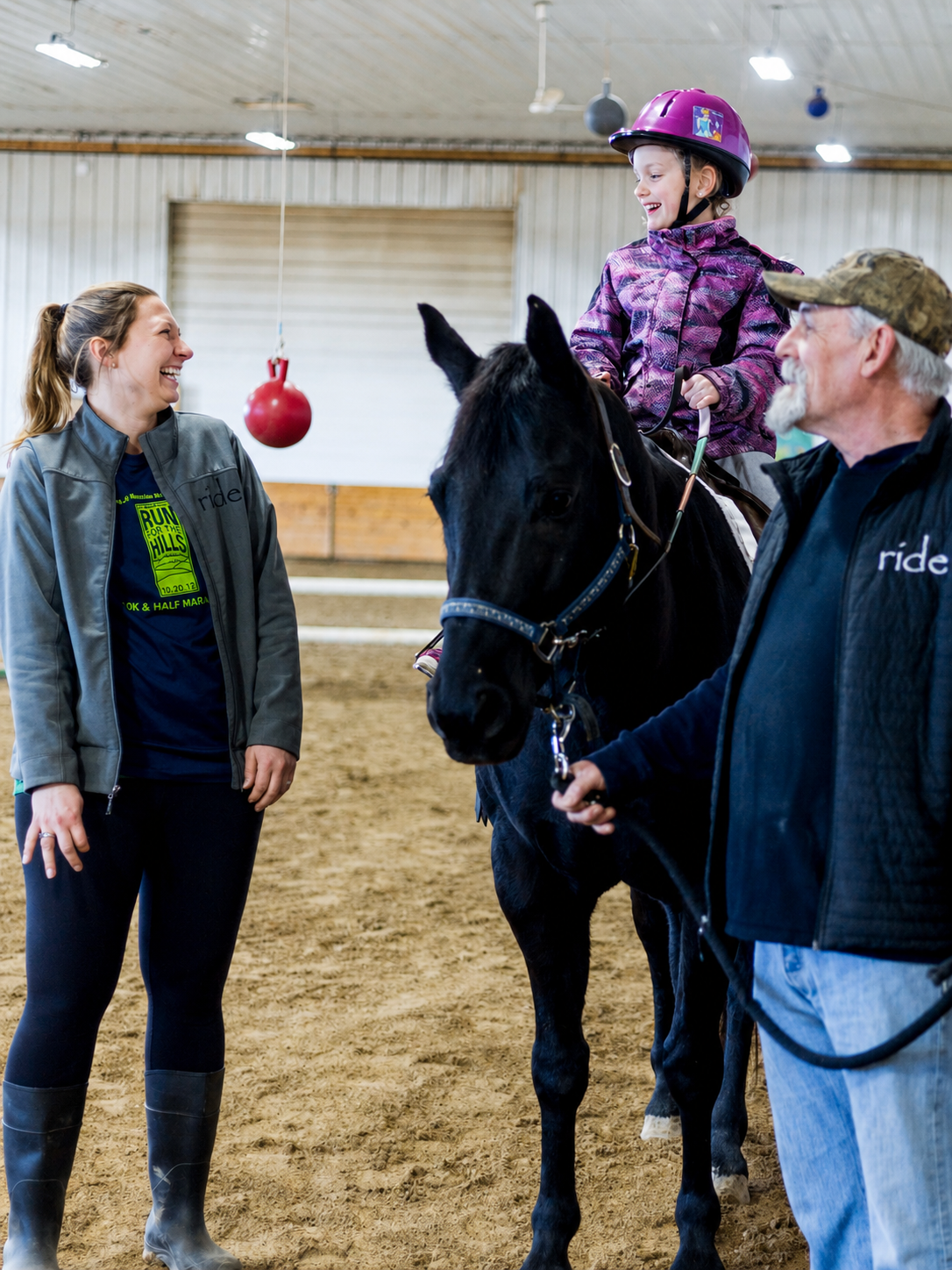
Hippotherapy and therapeutic riding (TR) are distinct equine-assisted services that use the horse, movement, and horsemanship in different ways to support participant goals.
Hippotherapy may be incorporated into occupational, physical, or speech-language therapy when clinically appropriate, with direct treatment by a licensed therapist using the horse’s movement as a clinical tool.
Therapeutic riding, also known as adaptive riding, is led by a PATH Intl. Certified Therapeutic Riding Instructor and uses mounted and unmounted horsemanship activities to support riding skills, balance, coordination, communication, and confidence.
Mental Health
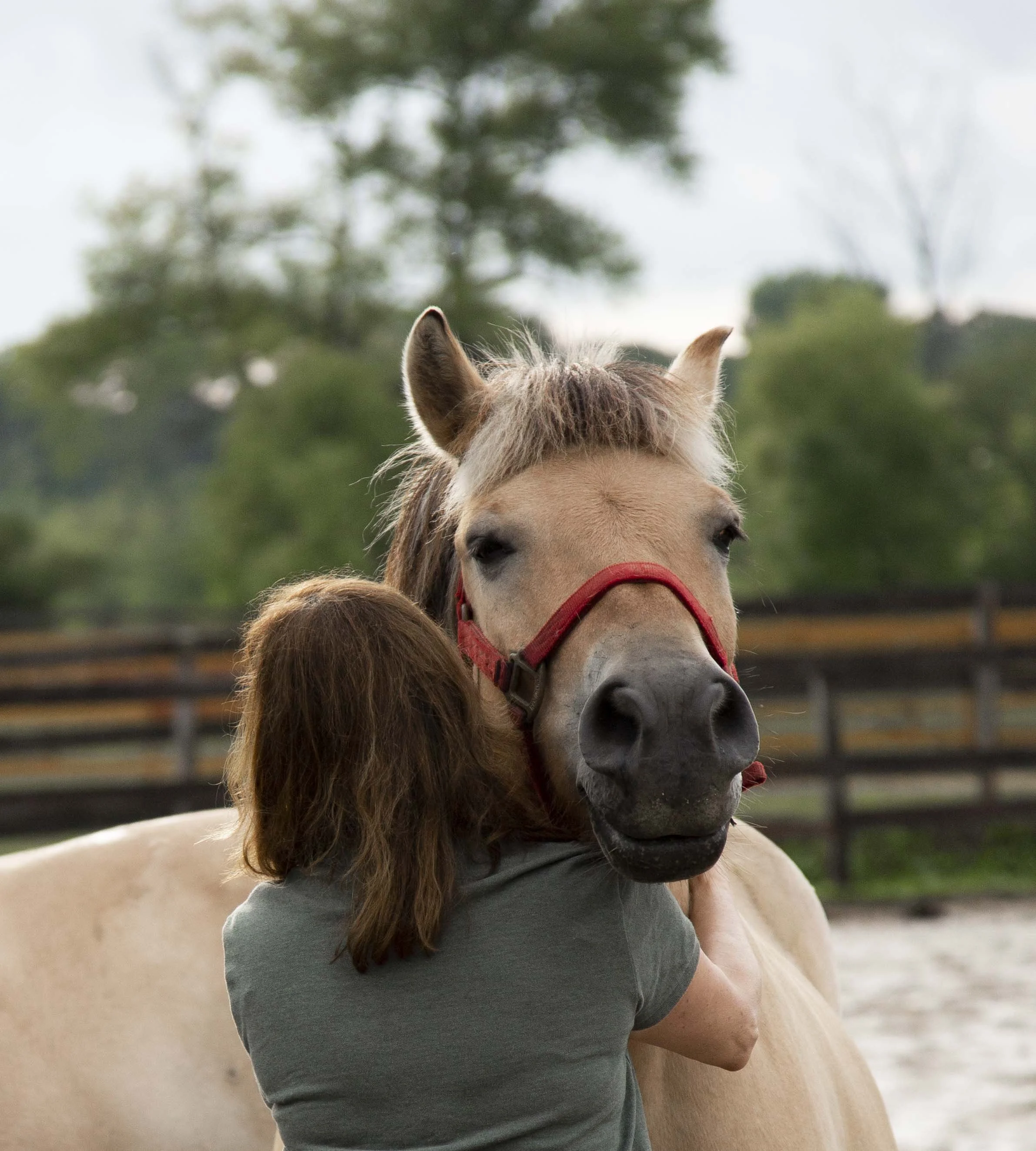
Mental health support at Equestrian Connection is offered both individually and in group settings, with services shaped around each participant’s emotional, social, and clinical goals.
Equine Facilitated Psychotherapy (EFP) is is individual therapy, supporting emotional growth through guided interactions with horses, facilitated by licensed mental health professionals. Sessions may include mounted or unmounted activities, depending on the participant’s goals and clinical needs.
This work can support areas such as anxiety, depression, trauma, impulse control, relationships, self-esteem and emotional regulation, in a setting that encourages reflection, trust and connection.
Interconnections
A group for young participants focused on confidence, connection, and emotional growth through shared equine-assisted experiences. Sessions support communication, self-awareness, social interaction, and positive participation.
Stable-i-ty™
A therapeutic group for adults centered on emotional regulation, confidence, and connection through guided experiences with horses. Sessions offer space for reflection, coping skills, self-awareness, and meaningful engagement.
Unbridled Self
A small-group experience for women centered on reflection, perspective, personal insight, and intentional conversation through guided work with horses.
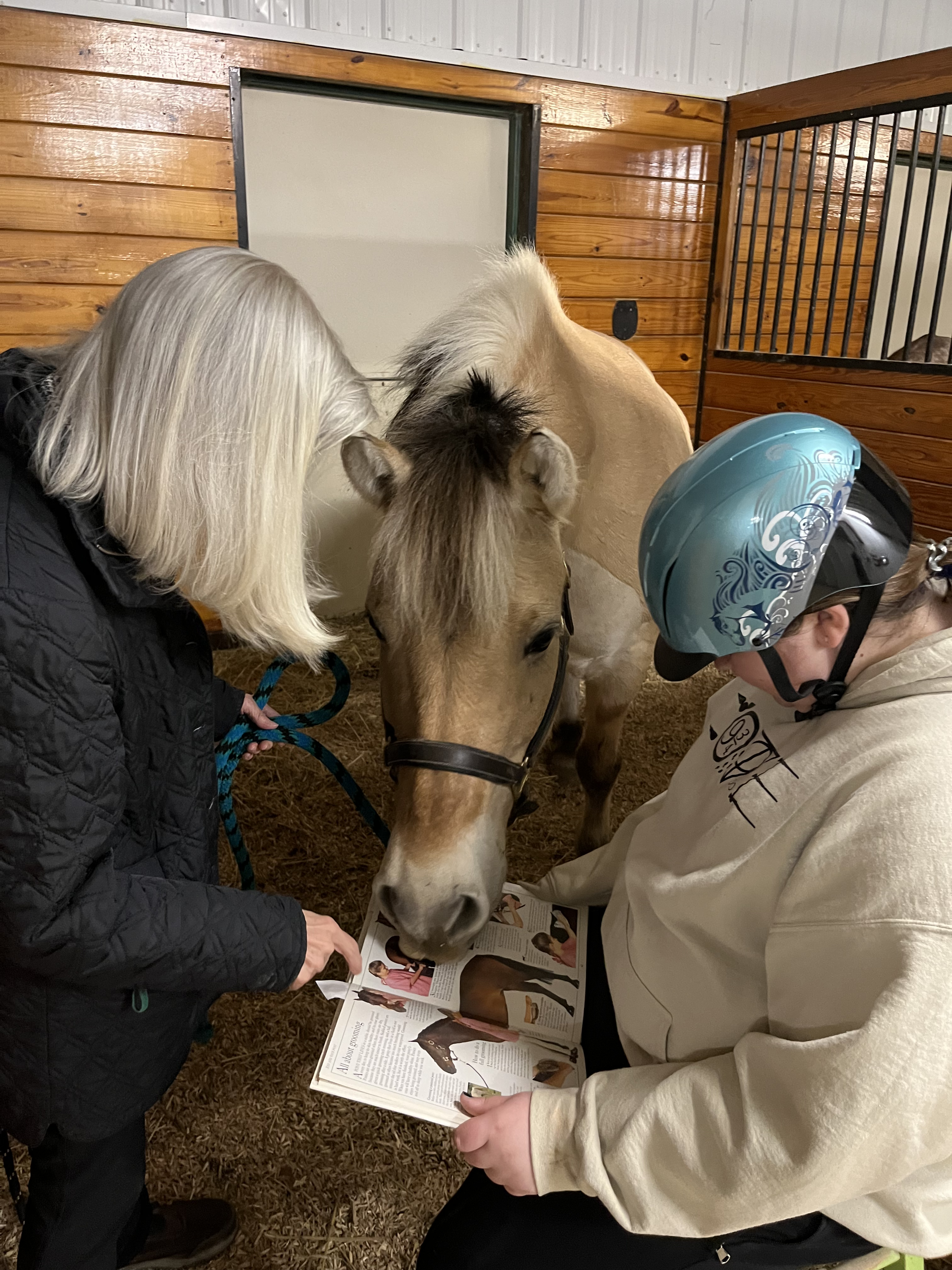
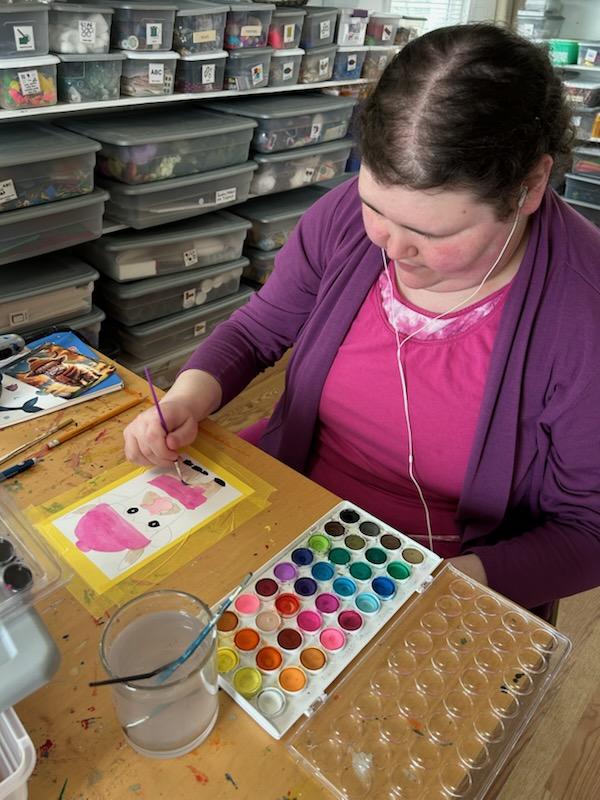
Programs Supporting learning & confidence
Supplemental Programs
Special Programs support learning, life skills, wellness, confidence, and meaningful participation in a horse-centered environment while connecting with others.
Programs and experiences may include:
• Non-mounted barn activities
• Reading, confidence & comprehension
• Job skills
• Veteran reconnect programming
• Massage therapy
• Field trips
• Special celebrations
Each experience is shaped around the needs of the participant or group, with horses, staff, and structured activities creating opportunities for connection, independence, confidence and socialization.
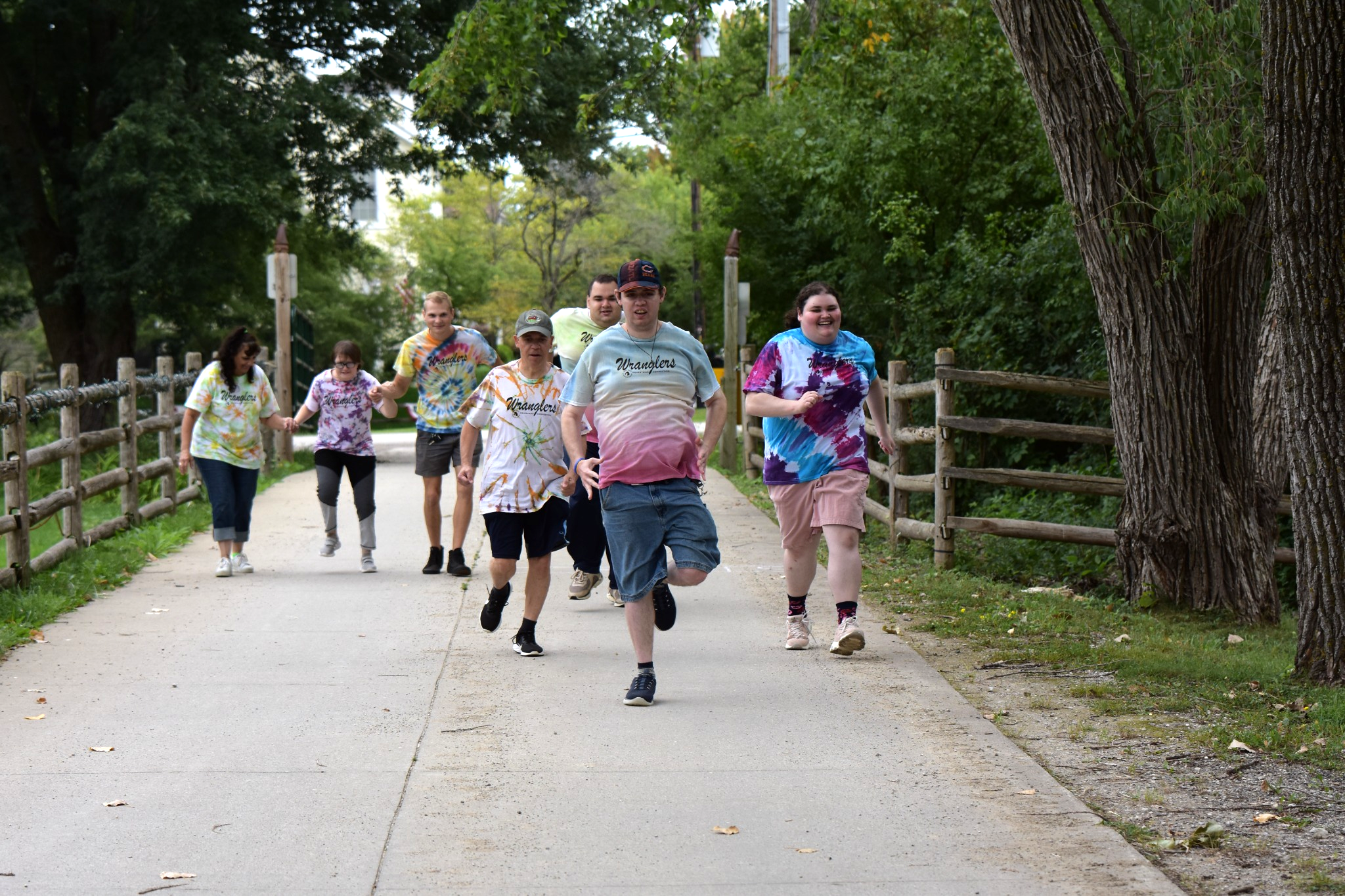
Skill-Building through daily engagement
Wranglers Day Program
Wranglers is a day program for teens and young adults with special needs that supports continued learning, social connection, and meaningful participation in the daily life of Equestrian Connection.
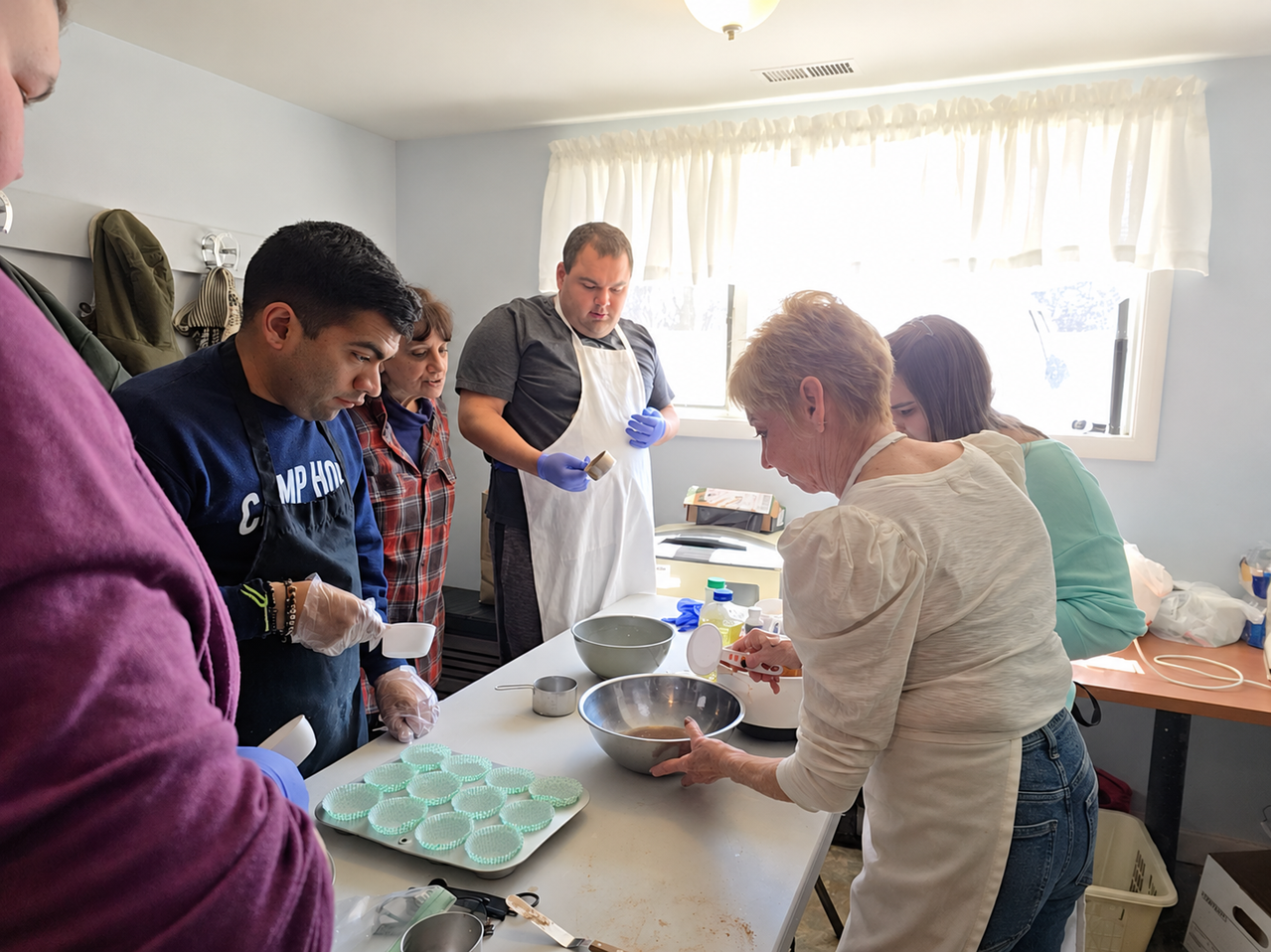
Sponsored by a grant from the Helen Brach Foundation and offered for a small fee, the program gives participants supervised opportunities to stay active and engaged. Programming includes riding, horse care, cooking, cleaning, gardening, office projects, facility routines, and social time with peers and staff.
Through these shared responsibilities and horse-centered experiences, Wranglers participants build confidence, communication, follow-through, independence, and a sense of purpose in a supportive, community-centered environment.
A community where everyone belongs
Every person, every story, every best day.
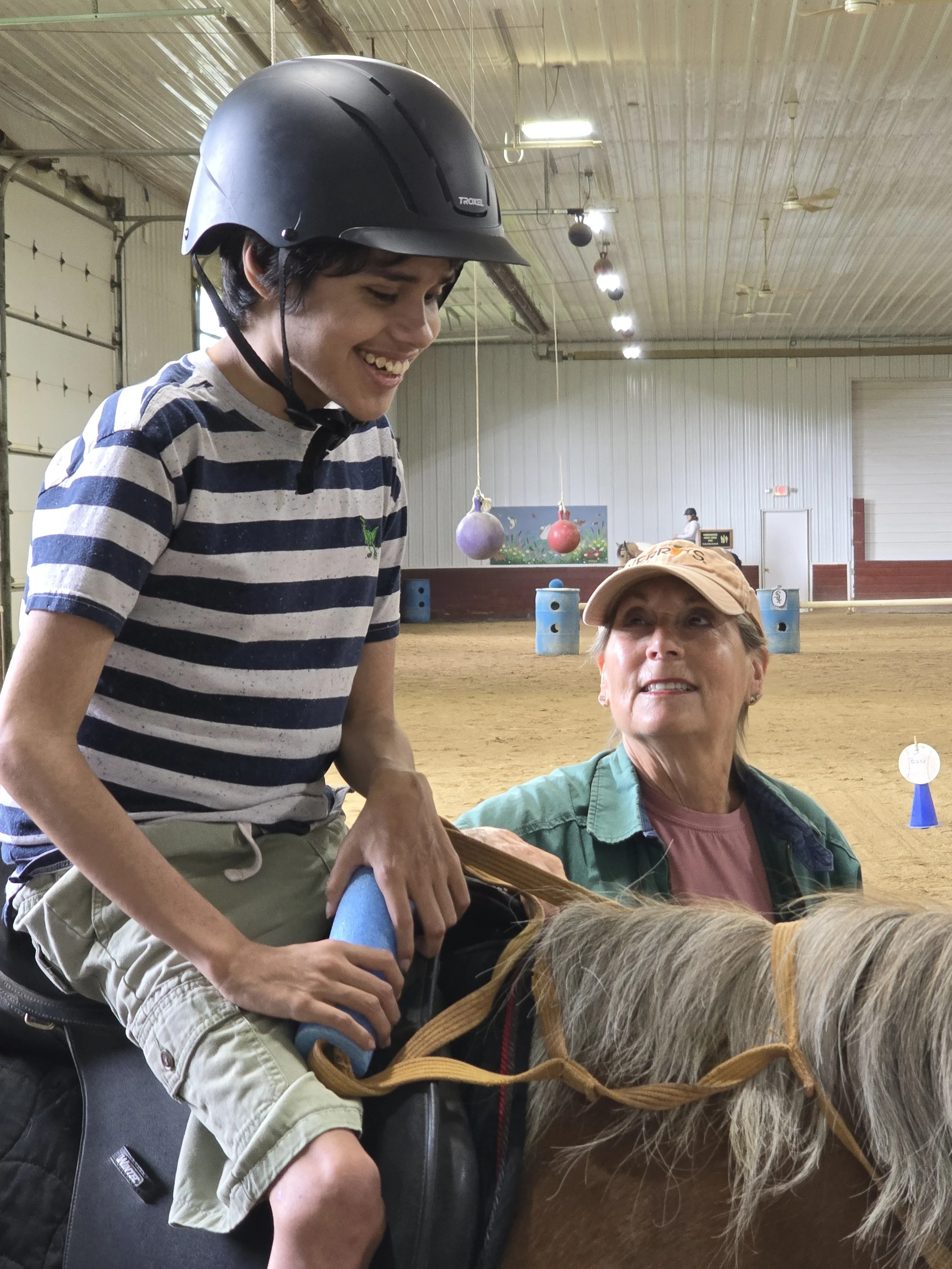
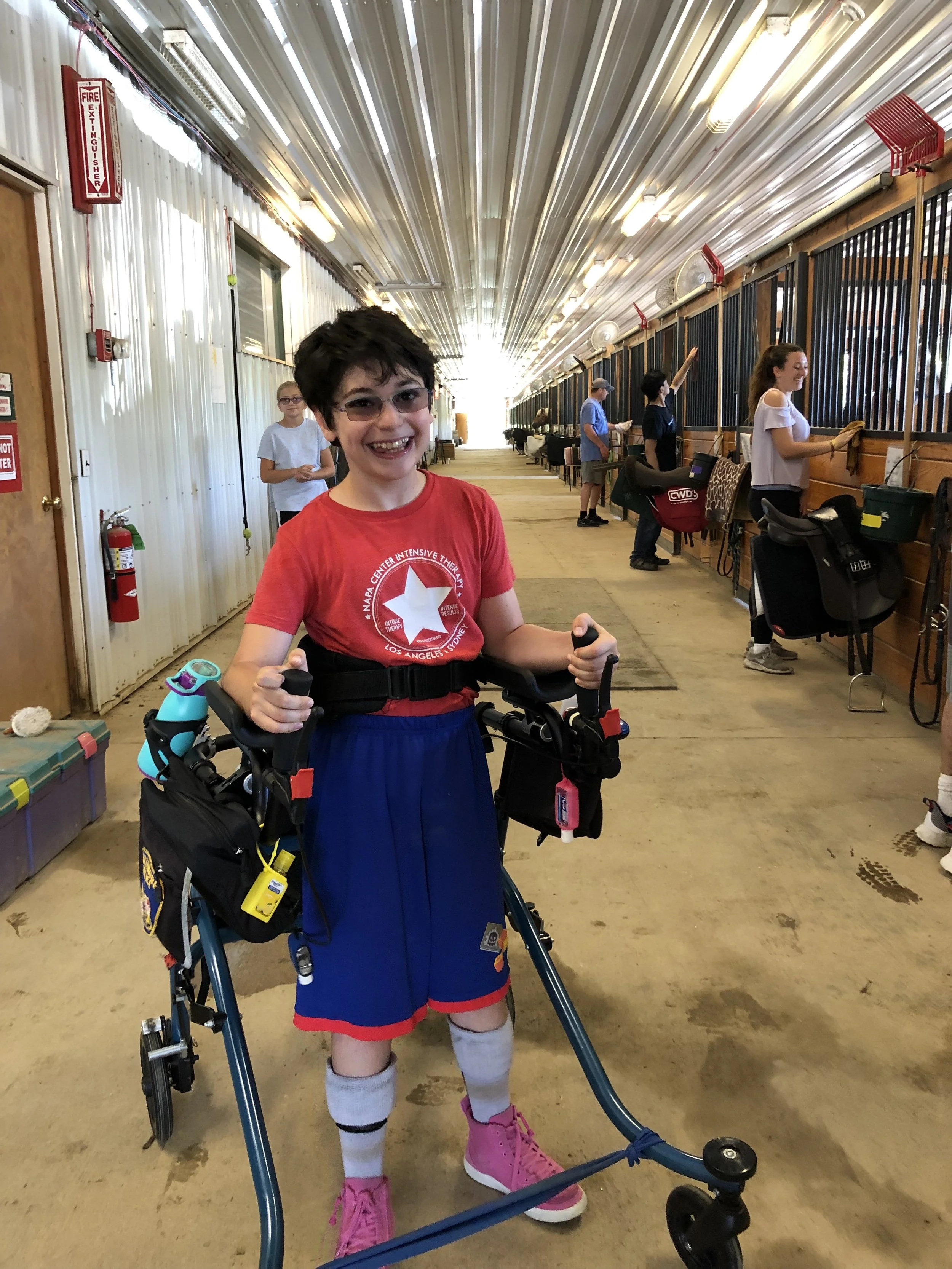
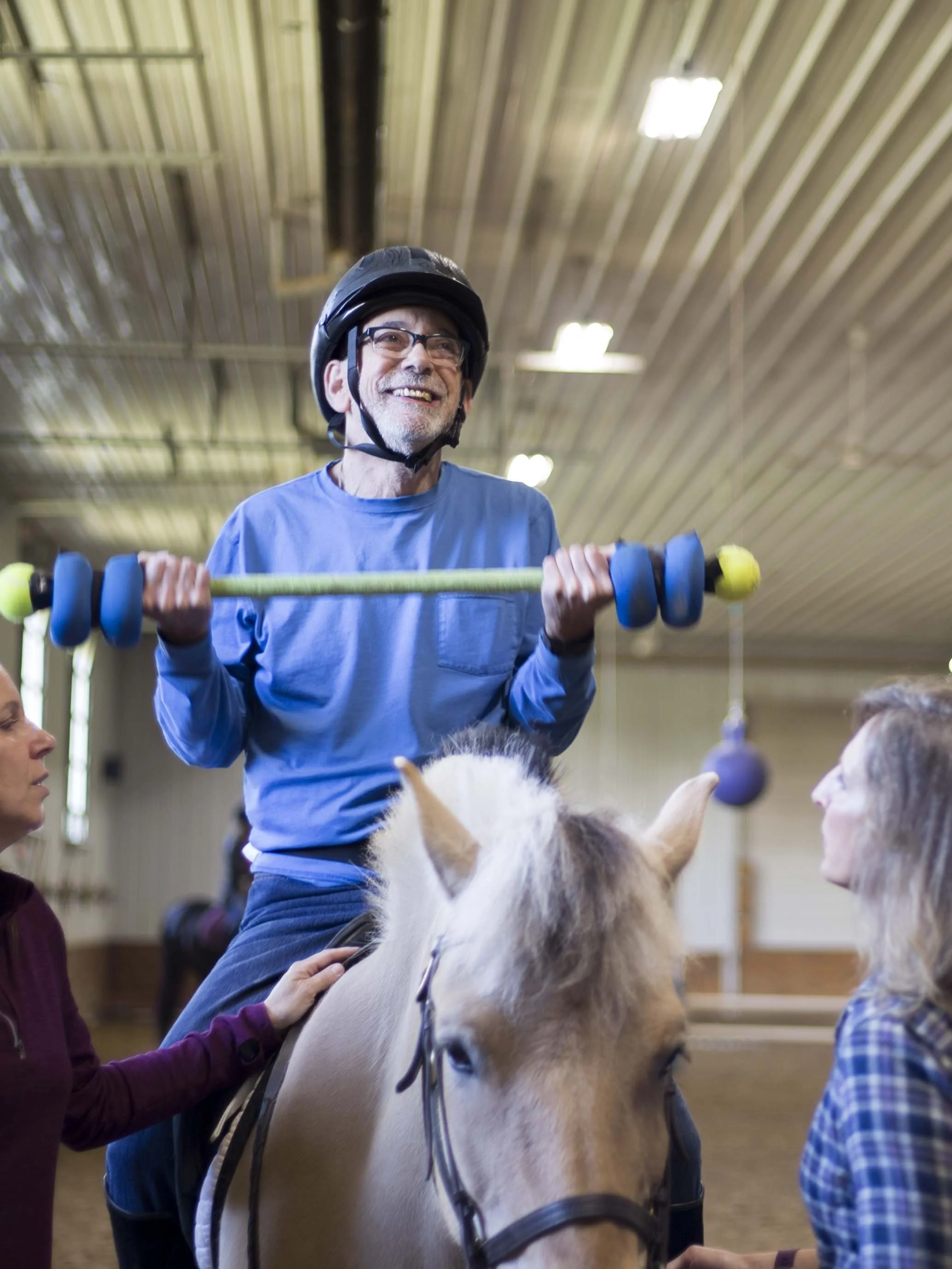
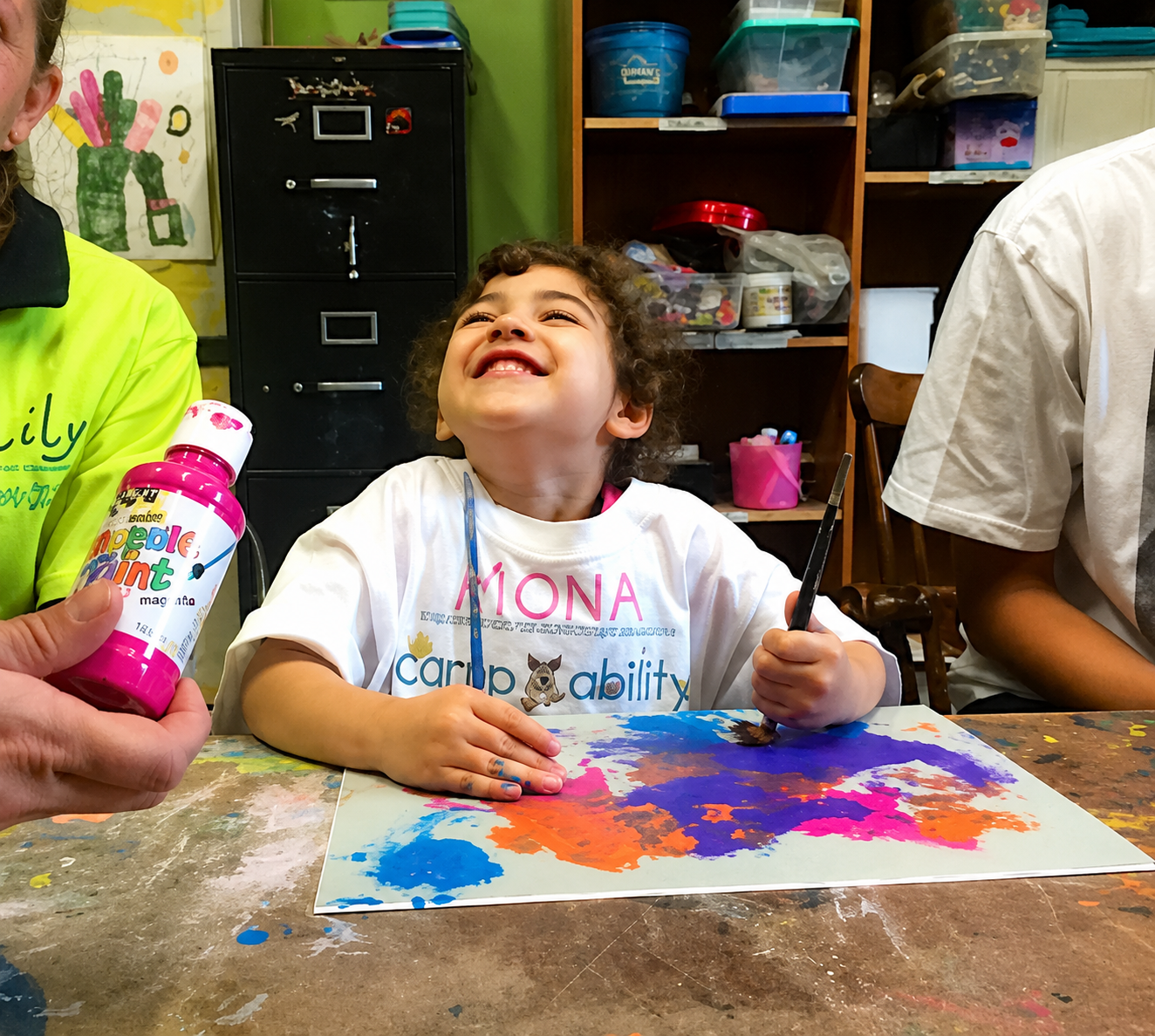
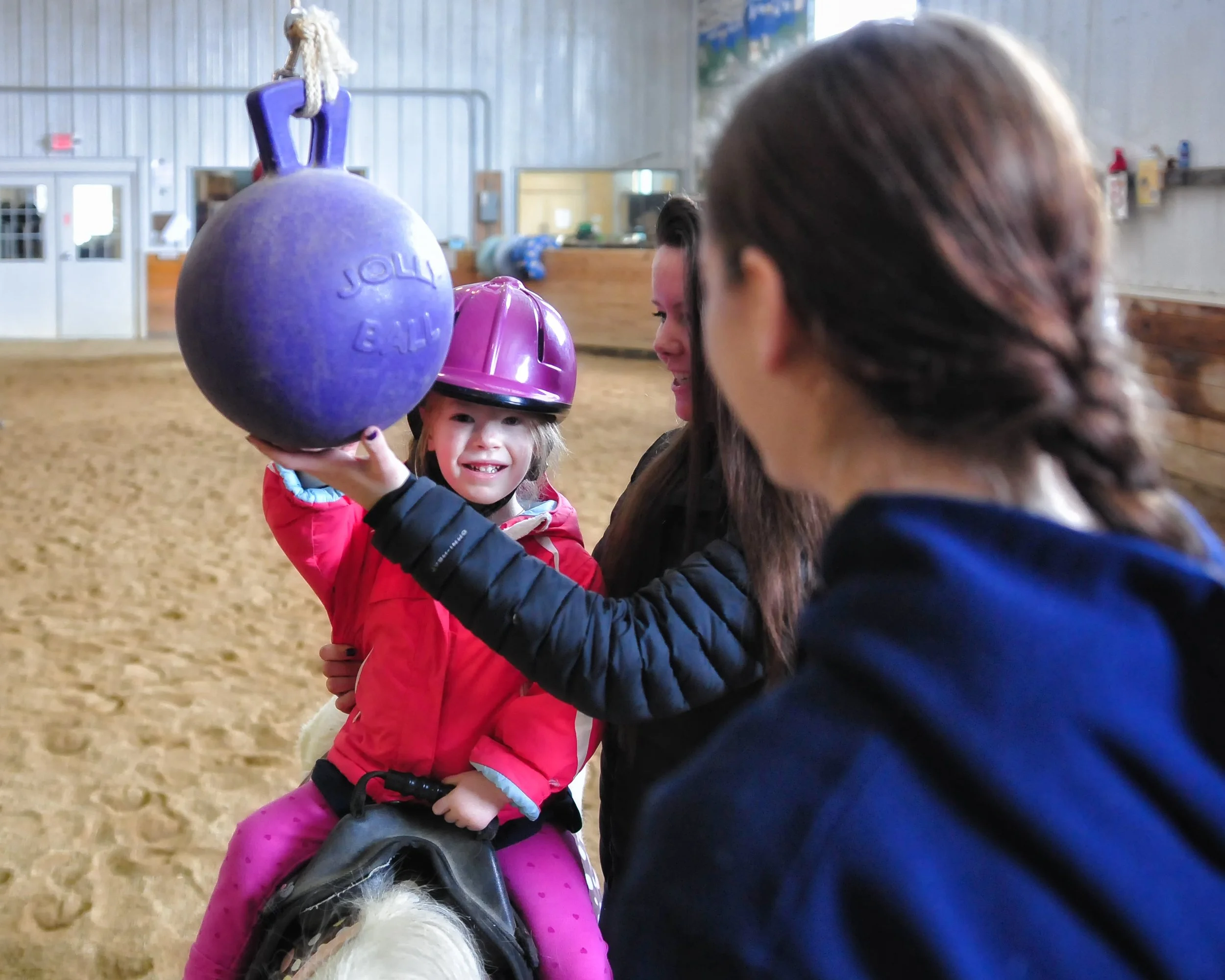

Who we support
Support for every age,
stage and ability.
Every participant comes to Equestrian Connection with their own strengths, experiences, and goals. EC’s programs support growth through movement, communication, skill-building, mental health support, horsemanship, and meaningful interaction with horses.
Each experience is shaped with care, flexibility, and respect for the participant.
-
EC supports individuals with a wide range of physical and neurological needs, including those affecting movement, balance, coordination, strength, posture, mobility, and overall participation. Whether someone is navigating a lifelong diagnosis, recovery, or changing physical needs over time, our programs are designed to meet them with thoughtful, individualized support.
Populations Served:
Cerebral palsy, multiple sclerosis, muscular dystrophy, Parkinson’s disease, spinal cord injury, traumatic brain injury, seizure disorders, stroke, spina bifida, epilepsy, and related neurological or other physical needs. -
Our programs serve children, teens, and adults with developmental, cognitive, communication, and learning-related needs. Every participant brings different strengths, challenges, and ways of engaging, and we work to create experiences that are supportive, encouraging, and responsive to the whole person.
Populations Served:
Autism spectrum disorder, Down syndrome, developmental delay, ADHD, sensory processing disorder, speech or language challenges, learning differences, fragile X syndrome, Williams syndrome, and other developmental or genetic conditions. -
Equestrian Connection supports individuals seeking care related to emotional well-being, regulation, confidence, communication, behavior, and social connection. For some, that may mean support for anxiety, depression, trauma, or other mental health needs. For others, it may mean building trust, coping skills, self-awareness, and confidence in a setting grounded boundaries in relationships.
Populations Served:
Anxiety, depression, PTSD, OCD, bipolar disorder, selective mutism, emotional or behavioral disorders, oppositional defiant disorder, and related mental health needs. -
Our programs are designed to serve participants across many stages of life, including children, teens, adults, older adults, and veterans. We recognize that needs evolve over time, and we are committed to offering support that reflects each person’s age, goals, abilities, and lived experience.
Populations Served:
Adults with memory-related needs, veterans, and individuals with evolving or more specialized needs across different stages of life.
Where Progress Begins