
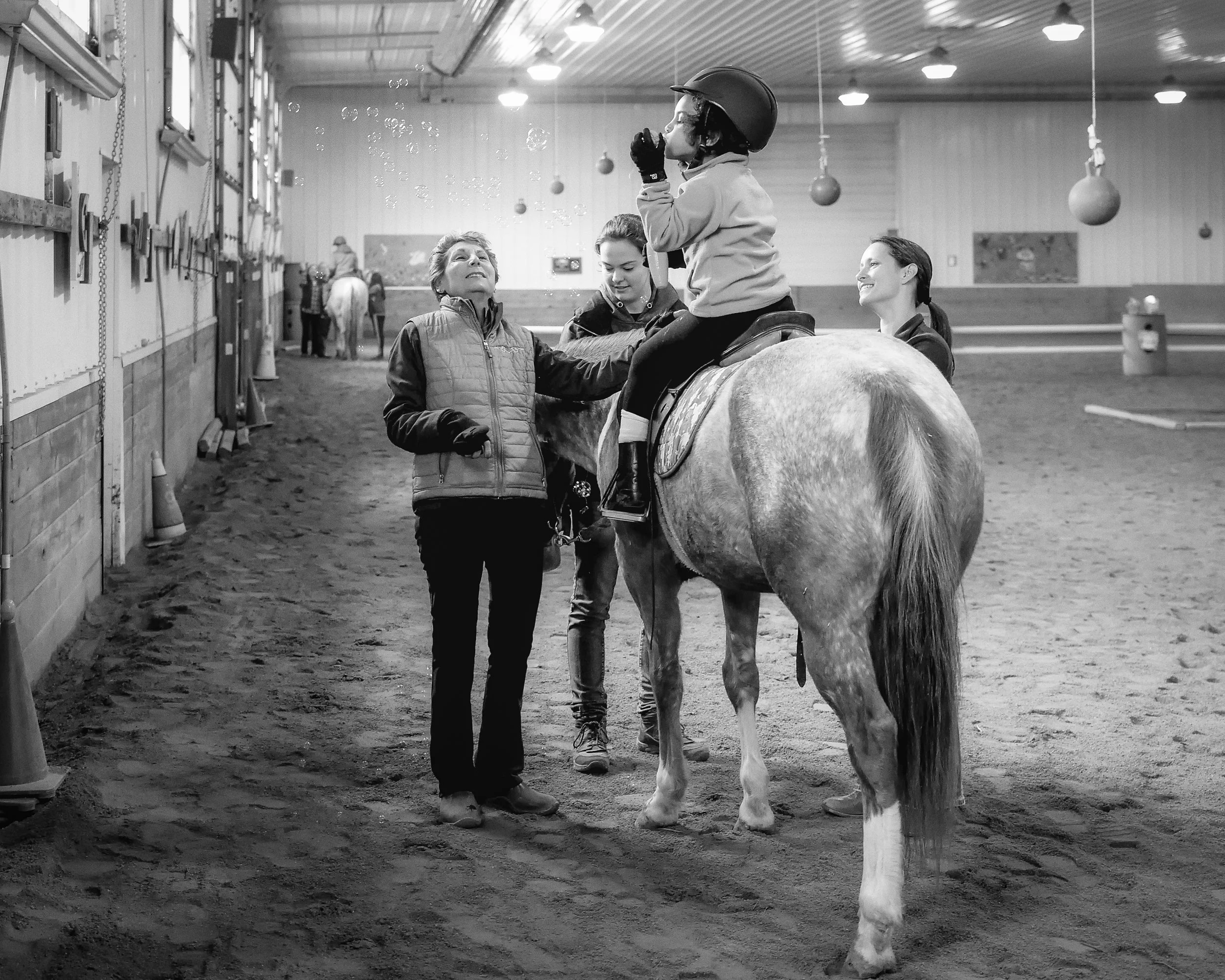
Hippotherapy & TR
Our Approach
Support Begins
with Understanding.
EC offers both Occupational and Physical therapy intervention and Therapeutic Riding for children and adults. Services depend on the needs of the client. OT and PT are clinical treatments that focus on achieving functional outcomes by using hippotherapy as a treatment tool. Therapeutic/Adaptive riding is an activity led by a certified therapeutic riding instructor. Adaptive riding clients receive the inherent benefits of equine movement services and learning about horsemanship and learning to ride based on their ability.
In order to determine which service would be most appropriate and beneficial, an evaluation is conducted to determine goals and needs.

OT & PT Led Support
Hippotherapy
Hippotherapy is a treatment tool used by occupational and physical therapists. These licensed therapists use the horse’s movement and interaction with the horse to support functional goals such as motor and process skills, sensory processing and integration, social and communication skills, and overall participation in daily living activities. Trained volunteers and staff assist by leading and walking alongside the horse.
As part of a therapy plan of care, each treatment session is shaped around the participant’s individual needs, clinical goals, and response to the horse’s movement. Some clients may begin their journey at Equestrian Connection by receiving therapy services and may transition to adaptive riding once clinical goals have been met.
Led by
Licensed Therapists
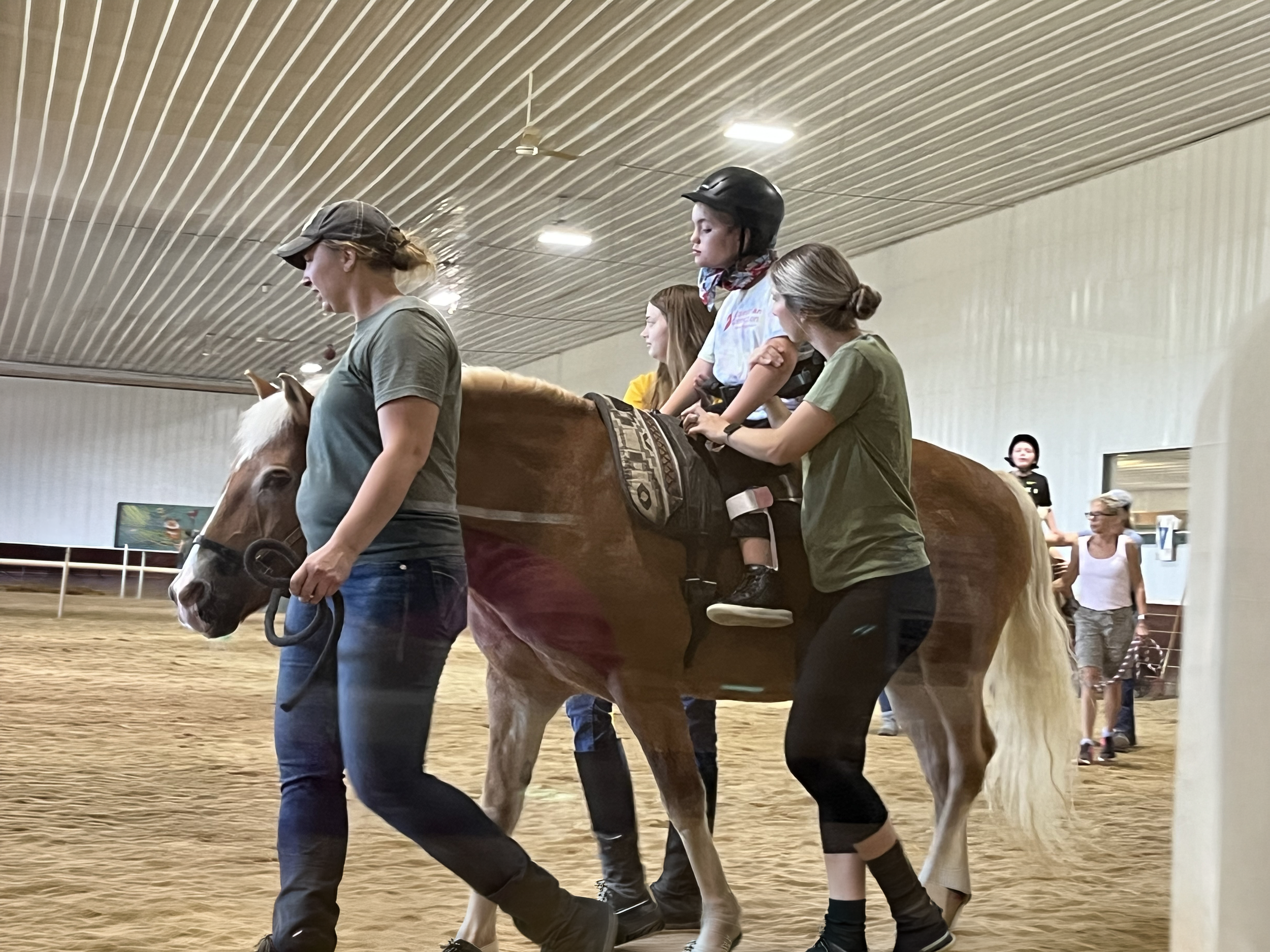
A passionate person who brings a wealth of experience and expertise, and is committed to helping learners achieve their potential.
Supported By
Horses Movement
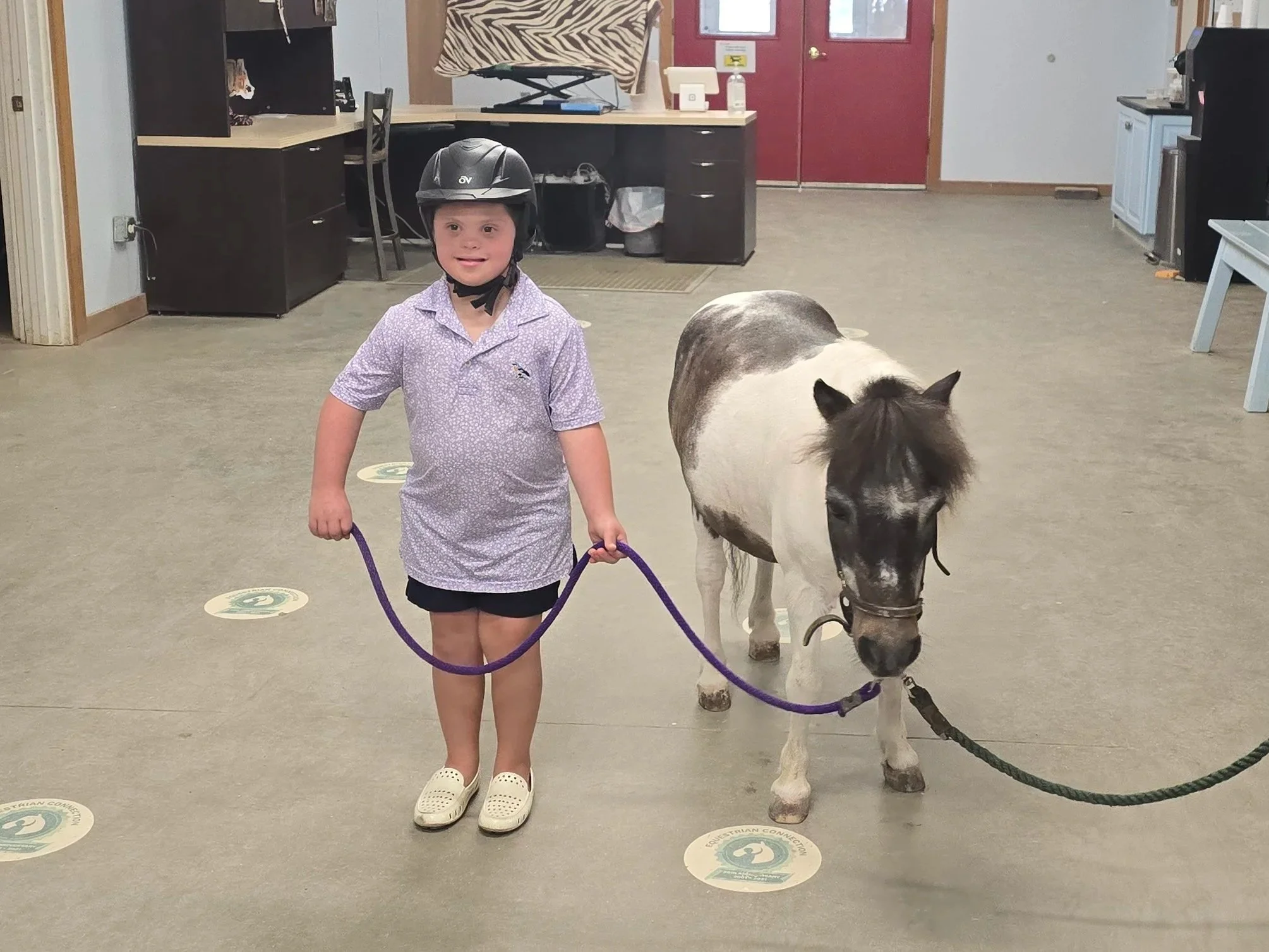
The movement of the horse is used intentionally to help support balance, posture, coordination, sensory processing, and functional participation.
See how adaptive riding instruction supports skill-building, confidence, communication, and connection.
Adaptive Therapeutic Riding
Led by a PATH Intl. Certified Therapeutic Riding Instructor, uses mounted and unmounted horsemanship activities tailored to each participant’s goals. Sessions help teach riding skills, confidence, coordination, focus, independence, communication, and connection while promoting the cognitive, physical, emotional, and social well-being of individuals with a wide range of needs.
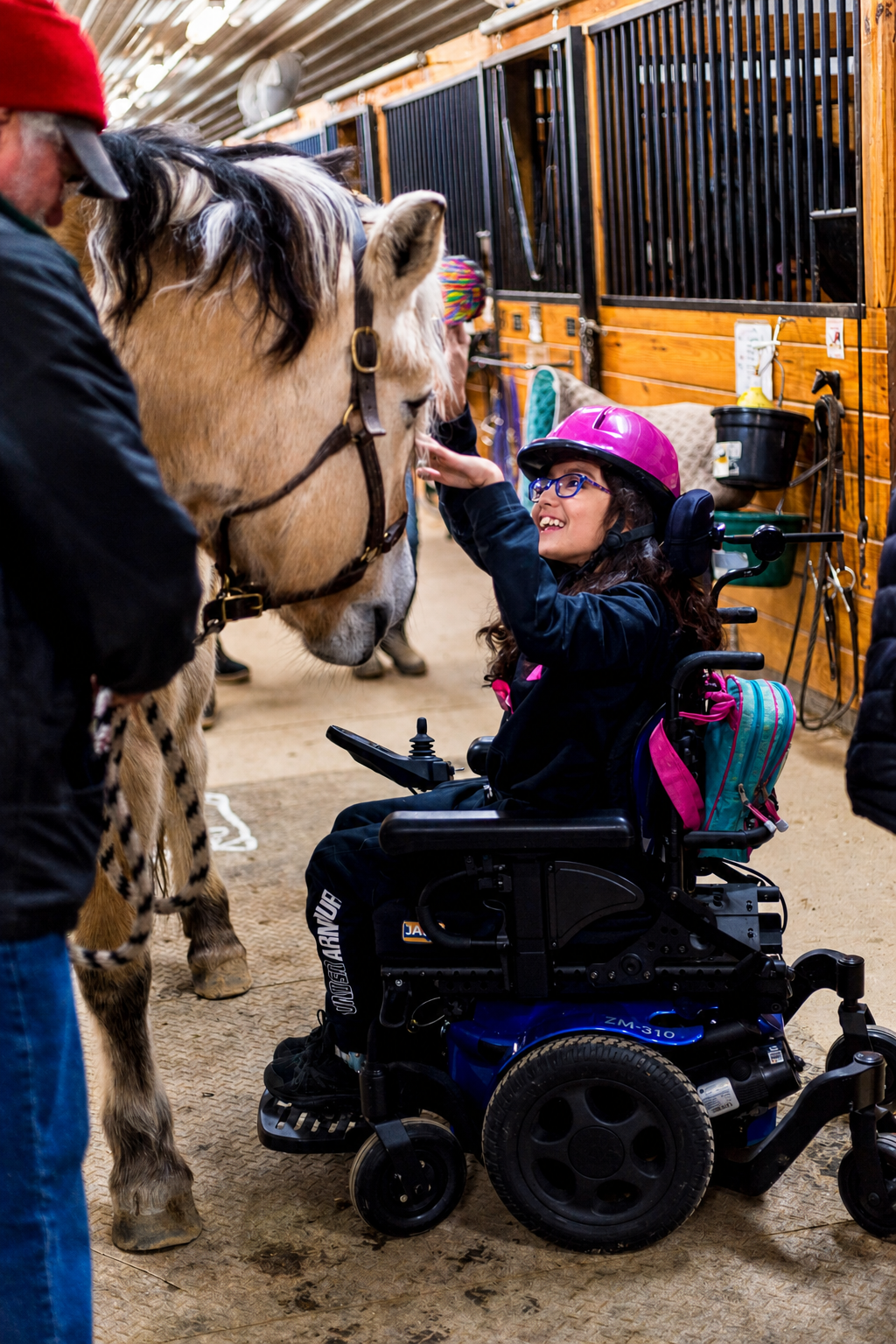
Understanding Each Approach
Both therapies are shaped around the participant’s goals and abilities, but they are led, structured, and recommended in different ways.Our team is honored to help guide next steps.
Hippotherapy
Clinical therapy using equine movement
Licensed occupational, physical, or speech-language therapy professionals.
The horse’s movement is used as a treatment tool within a therapy plan of care.
Functional goals such as posture, balance, communication, sensory processing, and participation.
Therapeutic Riding
Adaptive riding and horsemanship
A PATH Intl. Certified Therapeutic Riding Instructor.
Sessions may include mounted and unmounted work with or around the horse.
Riding skills, horsemanship, confidence, independence, connection, coordination, focus, and communication.
A participant may be supported through Hippotherapy, Therapeutic Riding, or both at different points over time.
Recommendations are based on goals, support needs, therapeutic priorities, age, abilities, and readiness.
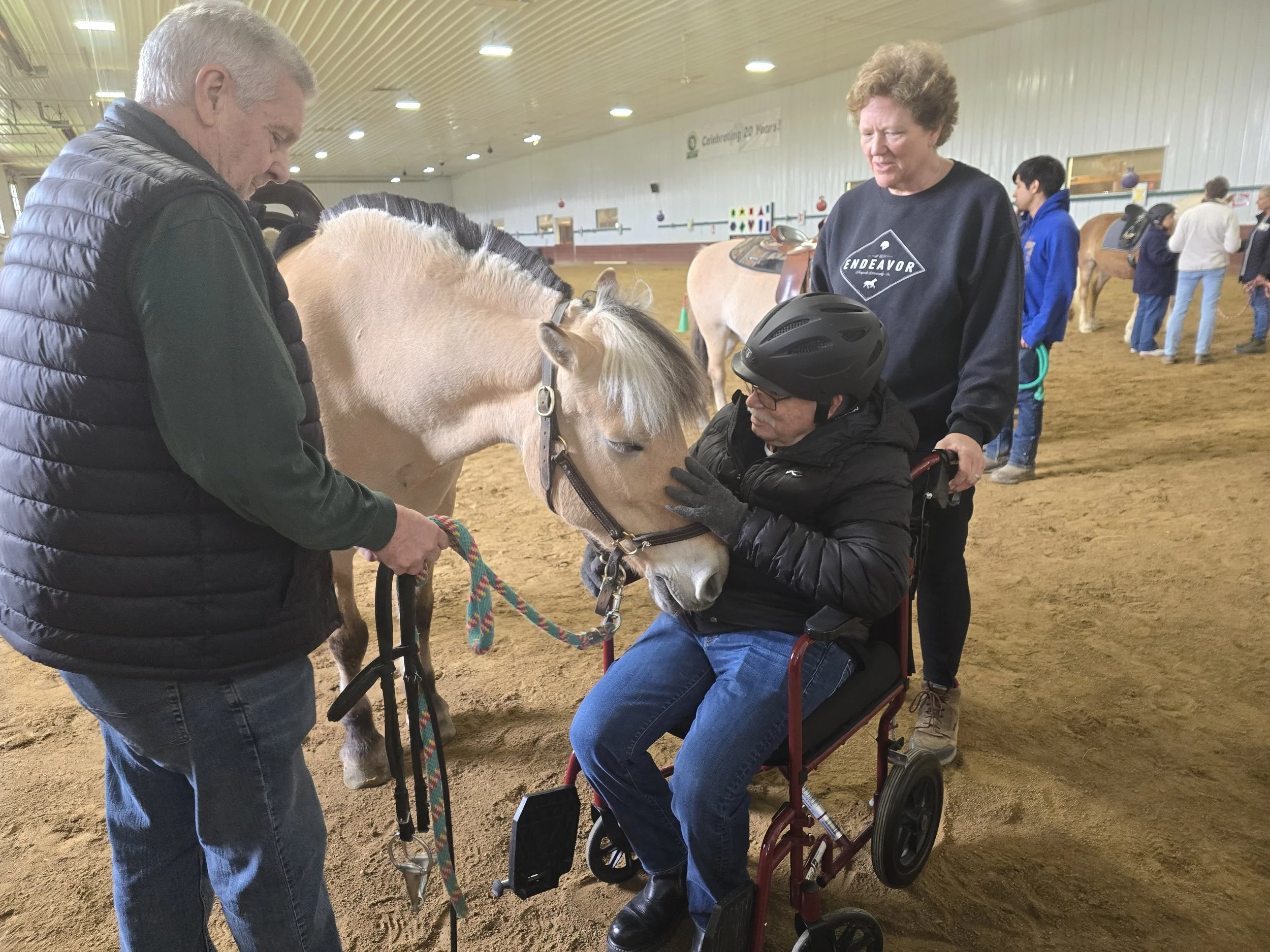
A thoughtful place to begin.
Every participant comes to Equestrian Connection with different goals, needs, and hopes for their time here. Registration gives our team a first look at what matters most, so we can begin the conversation with care and help identify the services that may be the right fit.